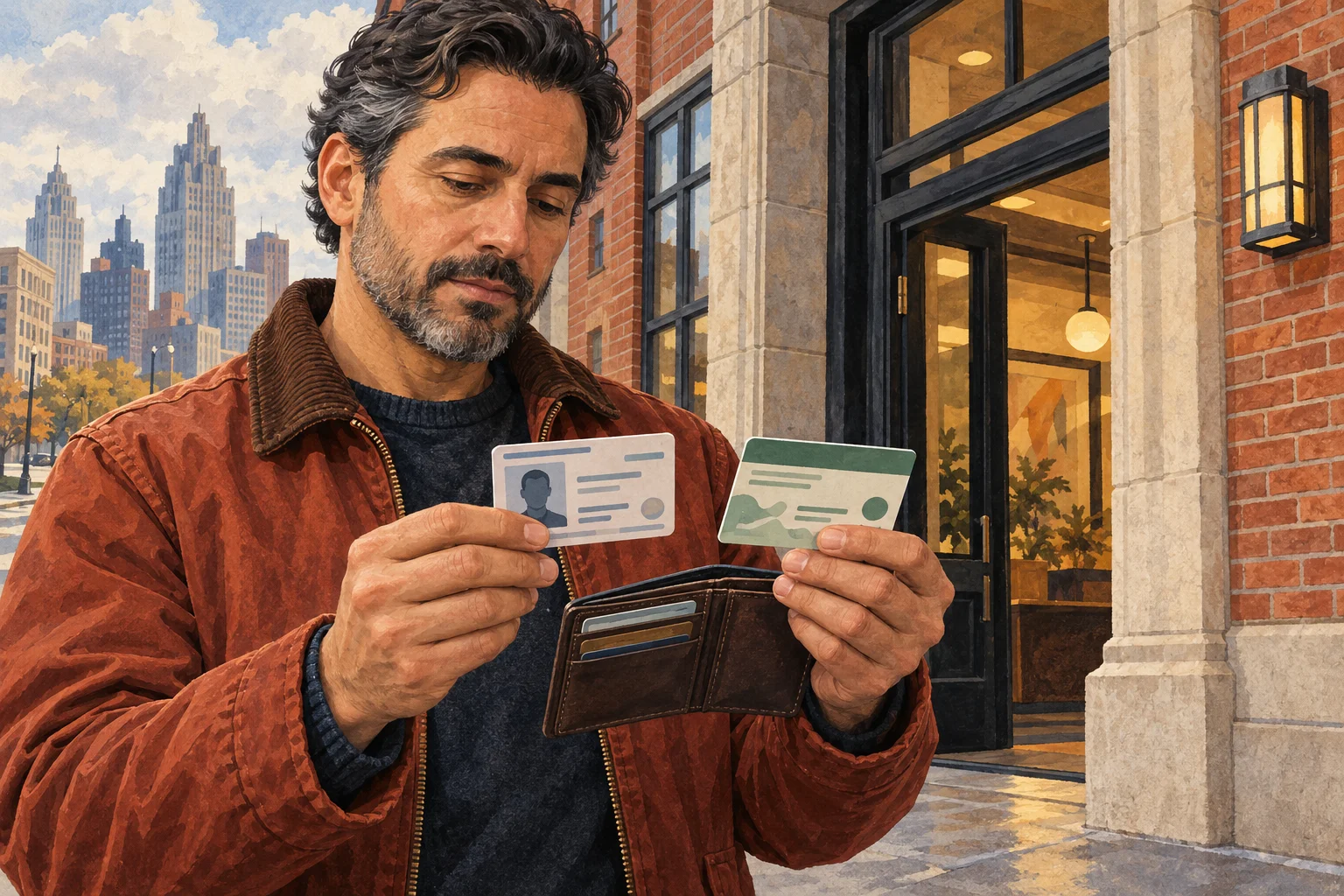
A dispensary visit can look simple from the sidewalk: show ID, step inside, browse. In Detroit, the first useful question is which kind of access you need. Adult-use retailers and medical provisioning centers follow different entry and purchase checks, so a familiar driver’s license may not be enough for every visit. This guide to Detroit dispensary entry requirements focuses on the documents to have ready and the questions to ask before you travel. [1][2]
Adult-use: bring photo ID and be 21 or older
For an adult-use purchase in Michigan, you must be at least 21. Retailers verify age using a valid driver’s license or government-issued identification card bearing your photo. The state’s rules require the retailer to verify your age before selling or transferring cannabis; a quick look at a store’s online menu does not confirm you can enter or buy there. [2][3]
Put the original ID in your wallet, and check that it is current and readable. A photo of your ID on a phone is not the identification specified by the state’s rule. If you are unsure whether a particular form of government ID will work, contact the store before setting out. [2]
Medical: a card is part of the check
At a licensed medical provisioning center, patients need a valid Michigan Medical Marijuana Program registry card and a valid driver’s license or government-issued photo ID to purchase. An application, physician certification, or pending renewal is not a substitute for the card: Michigan’s Cannabis Regulatory Agency advises patients to wait until the registry card arrives before engaging in medical use. [1][4]
If you are a registered patient or caregiver, bring the card even if you also meet the adult-use age requirement. A medical license and an adult-use retail license describe separate regulated business types, and a location’s listing should make clear which services it offers. Check the specific shop’s current listing or call to confirm it handles the kind of transaction you need. [1][5]
Visiting from outside Michigan?
Michigan allows a licensed medical provisioning center to serve a visiting qualifying patient with an unexpired medical cannabis registry card, or equivalent, from another U.S. state or territory. The visitor must also present valid photo ID. The state rule says the provisioning center may sell or transfer if these conditions are met; it does not mean every Detroit shop operates a medical counter, so confirm with the location first. [6]
If you do not have a qualifying out-of-state card, the adult-use age and ID route is separate: you must be 21 or older and present the required photo identification. A medical card from elsewhere does not replace the age check at an adult-use retailer, and a passport or other ID should be confirmed with the shop if you are unsure it meets the stated requirement. [2][3][6]
Before you head out
Use the exact address of the licensed location, then check its current hours and whether it serves adult-use customers, medical patients, or both. For a medical visit, confirm what card and ID the shop expects; for adult-use, make sure every customer who plans to purchase is 21 or older and has photo ID. These small checks can prevent a wasted trip when two nearby businesses use similar dispensary language but offer different services. [1][2][5]
Detroit’s city ordinance also sets a separate age-related premises rule: people under 18 generally may not be inside a medical marijuana facility or adult-use establishment, with stated exceptions for qualifying patients and minors accompanied by a primary caregiver who is a parent or documented legal guardian. That local premises rule is not the same as permission to buy adult-use cannabis: Michigan’s adult-use purchase age remains 21. If a minor’s medical visit is relevant, verify arrangements with the specific facility first. [3][7]
The easiest plan is to treat entry and purchase as two checks: confirm that the Detroit location serves your customer category, then bring the identification required for that route. For adult-use, that means age 21+ and photo ID; for medical service, bring the current registry card and photo ID, and visitors should verify the location accepts their out-of-state credentials. [1][2][6]
